
Aerospace
-
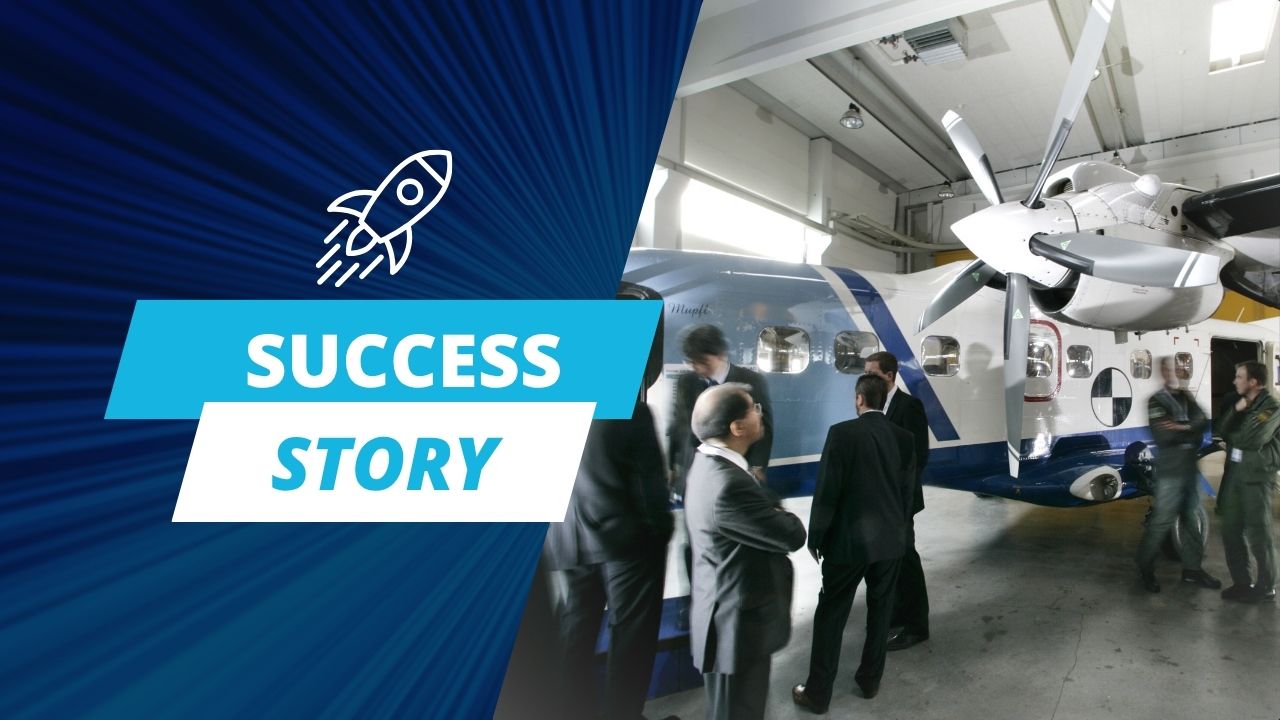
Turning an aircraft roll-out into a catalyst for merger integration
How we used an identity-building live event to unite 150 employees, rebuild trust and strengthen commitment to a new business strategy Initial Situation The executive board of a Swiss technology group with over 7,500 employees (turnover: CHF 1.7 billion) had developed a new business strategy for its recently acquired subsidiary in Germany with around 650…
-
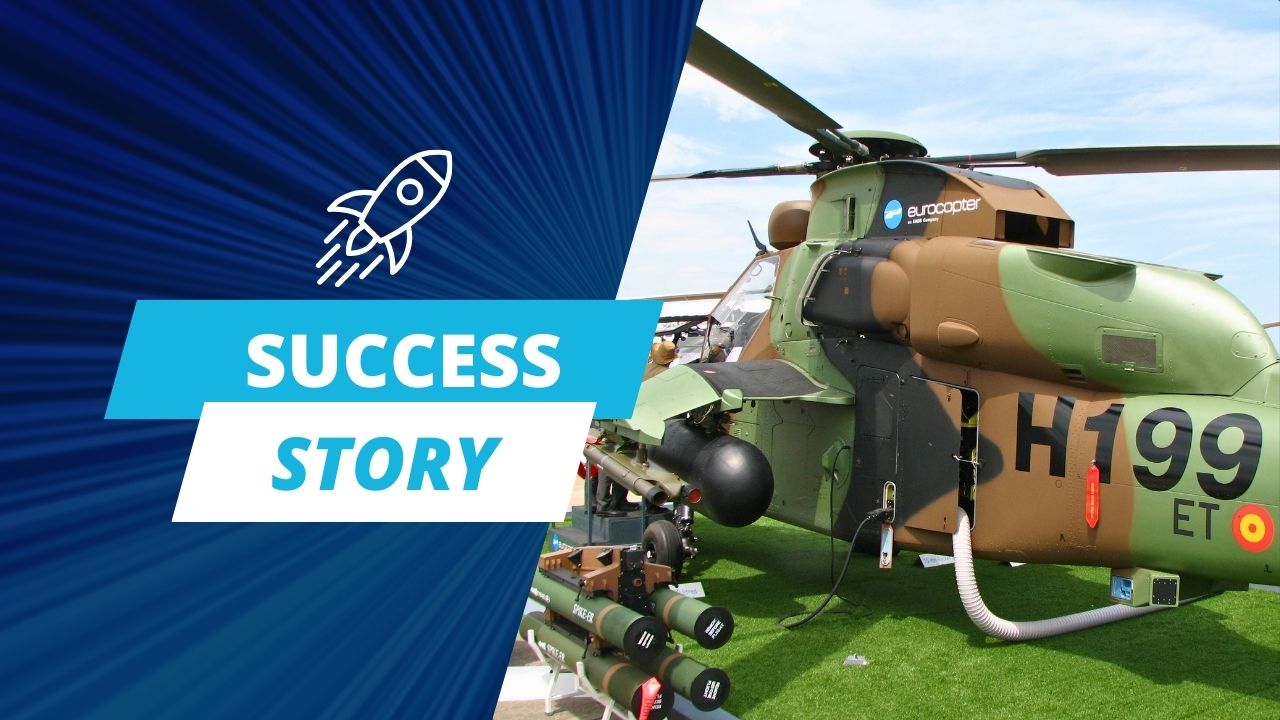
Rebuilding trust in a European defense engine program
How we strengthened the consortium’s brand, restored stakeholder confidence and re-engaged employees during a critical scaling phase Initial Situation Four European manufacturers of aero engines have formed a consortium to design and produce a twin engine for the TIGER light combat helicopter. In addition to the agreed purchase of a defined number of engines for…
-
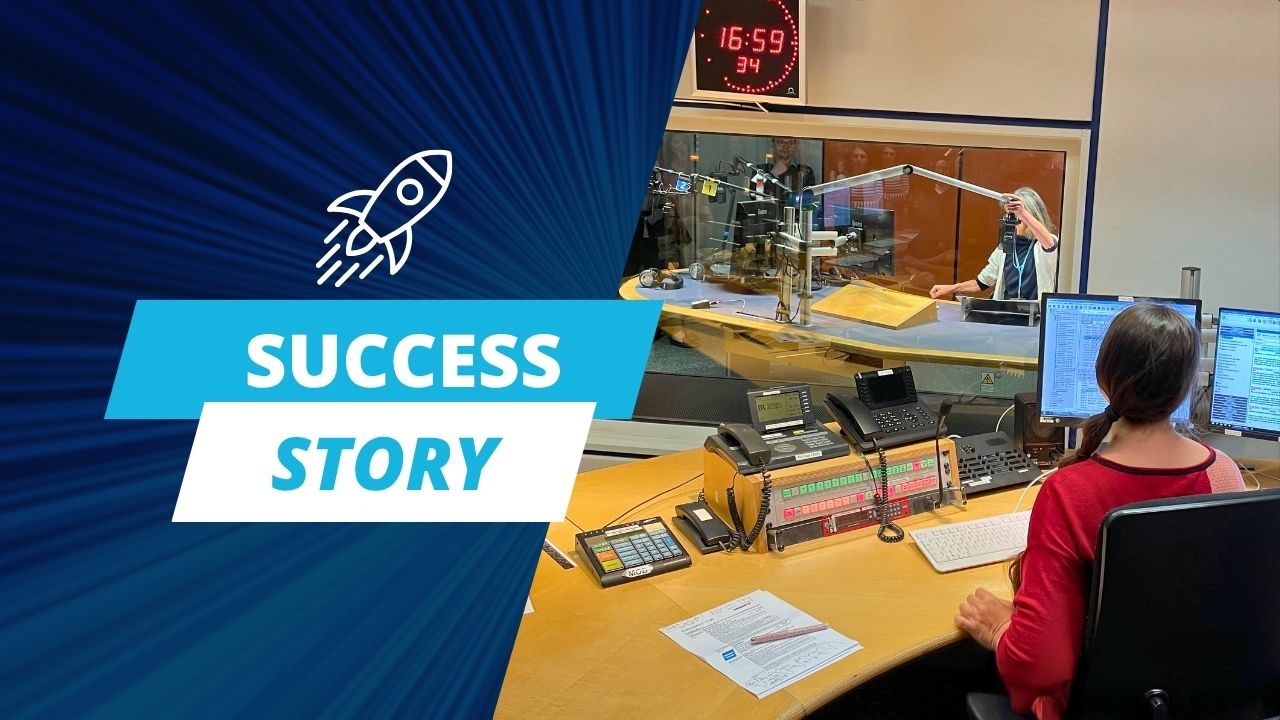
New power through organizational and cultural change
How we helped a communications division break down silos, clarify decision-making, and build a collaborative performance culture Initial Situation The organizational structure and lack of a shared vision were hindering the performance of the communications division of an organization with just under 2,000 employees. The division’s media-specific departments (TV, radio, print, online) were in four…
-
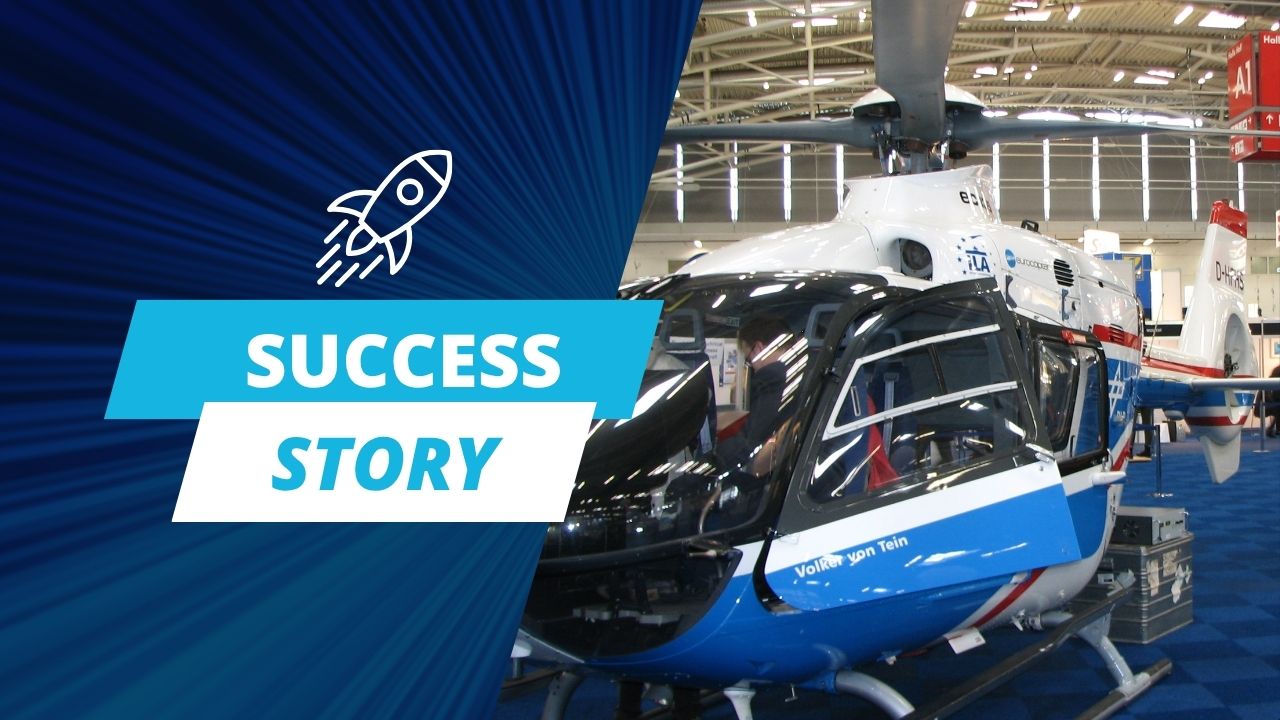
Self-disruption leads to turnaround of struggling spin-off
How we unleashed the creative energy of a workforce, leading to the largest deal in the company’s history Initial Situation The spin-off of a medium-sized company (+1.500 employees) was developing software and hardware systems for the aviation and automotive industries. However, it had run into severe financial trouble. Due to the related challenges, the new…
-
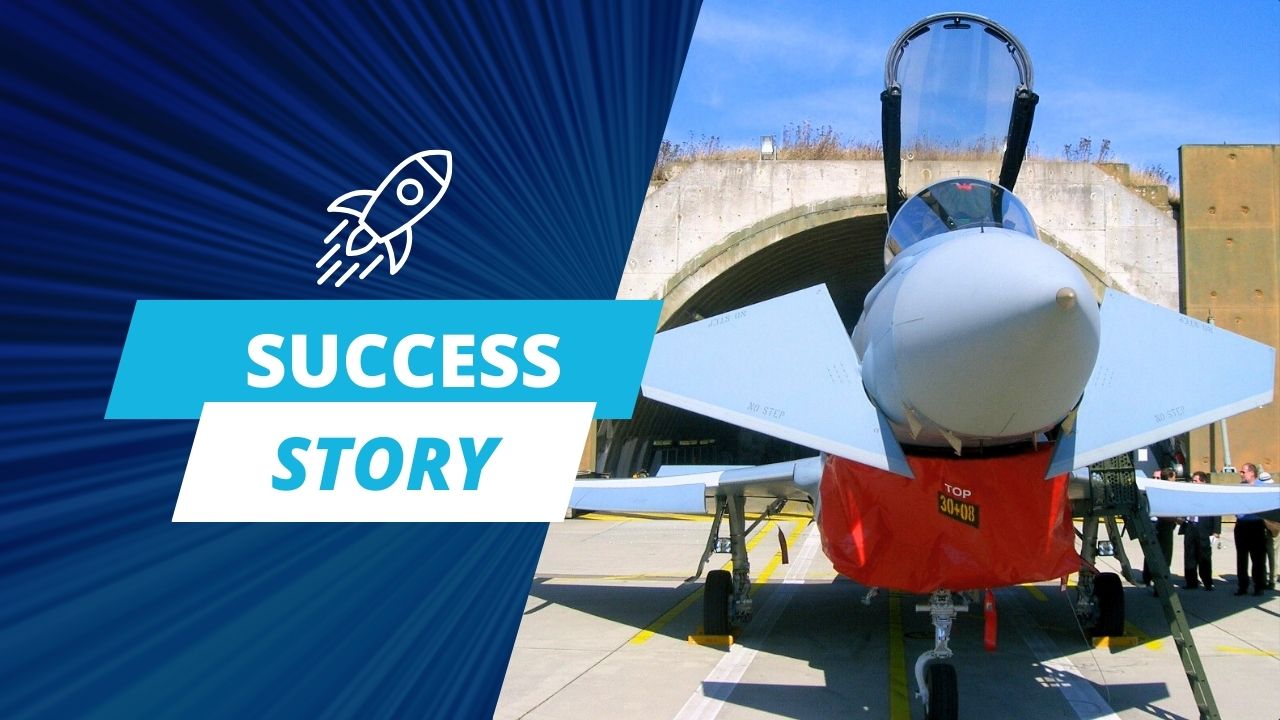
Making a new set of rules effective for thousands of users
How we helped the German Armed Forces to implement DEMAR – a new set of regulations and processes Initial Situation The German Armed Forces implements a German version (DEMAR) of the European Military Airworthiness Requirements (EMAR). EMAR is a set of harmonized regulations for military aviation in Europe, aiming to improve safety, reduce costs, and foster interoperability…
-
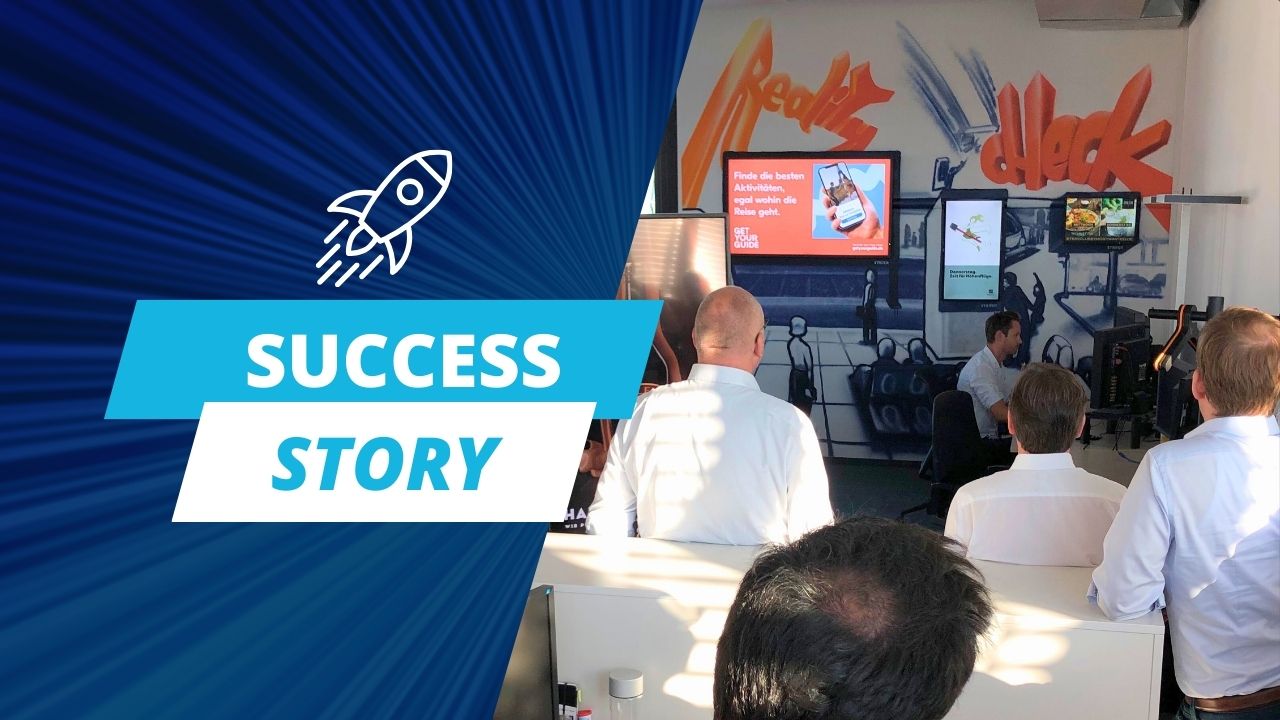
Establishing a mission statement to drive merger integration
How we helped a SME to successfully merge nine departments into one new business unit Initial Situation Nine previously largely independent departments within an organization were gradually merged to form a new business unit. However, animosities among managers that had developed over decades, an “old boys’ network,” and hierarchical management styles continued to promote silo…