

Project Recovery + Communication
How we strengthened the consortium’s brand, restored stakeholder confidence and re-engaged employees during a critical scaling phase
Initial Situation
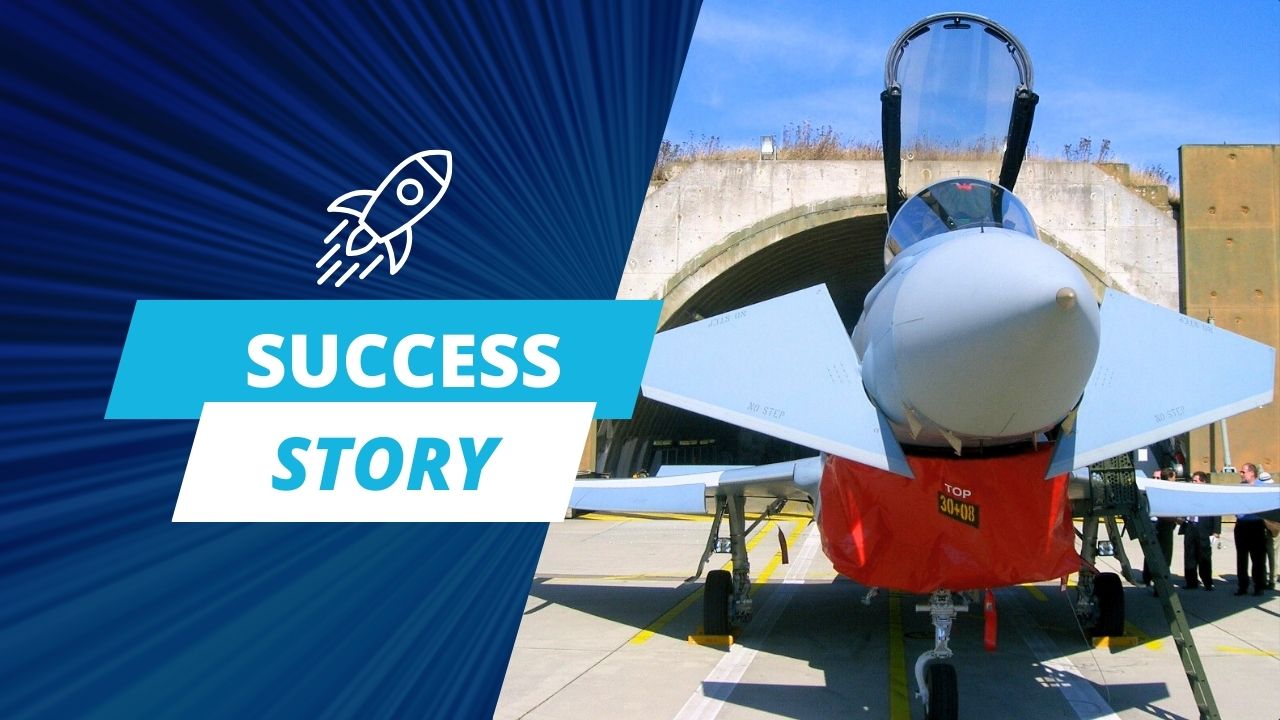
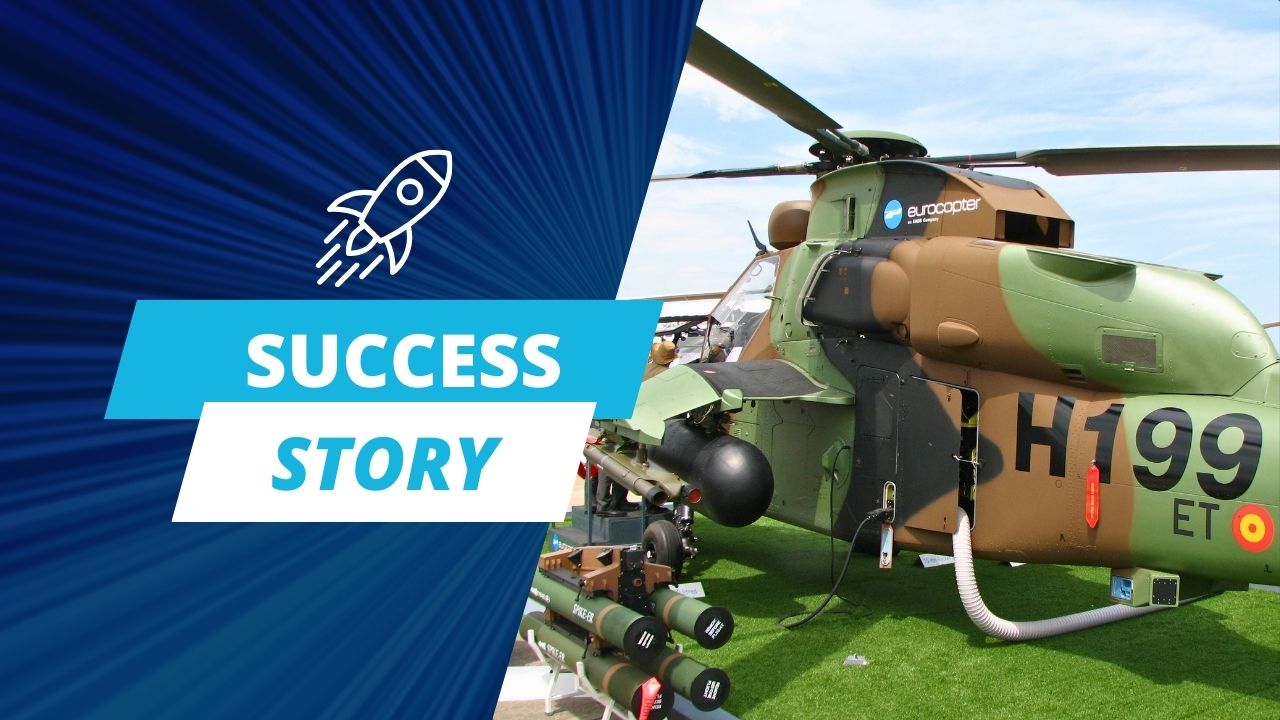
Four European manufacturers of aero engines have formed a consortium to design and produce a twin engine for the TIGER light combat helicopter.
In addition to the agreed purchase of a defined number of engines for the army aviation forces of the participating nations via OCCAR, the engine was also to be sold to other nations. Therefore, the consortium launched a corresponding scaling phase.
However, there were years of delays in the development and commissioning of the aircraft itself, as well as in the further development of the twin engine MTR390-E.
Challenge
During the deployment of German soldiers in Afghanistan, they urgently needed their own air support from the TIGER. However, the fact that it had not been delivered 25 years after the order was placed outraged the public, the soldiers, politicians, and OCCAR.
The image of the TIGER helicopter, which had been portrayed so gloriously in the 1995 James Bond movie “Golden Eye” (prototype PT3) began to crack. This also had an impact on the engine consortium.
During the scaling phase in particular, it would have been necessary to secure the buy-in of the employees of the participating engine companies and to attract highly specialized professionals with a strong brand. However, due to the problems, they identified less with the product.
Instead, there was a risk of an emotionally motivated downward spiral from a negative image to declining performance, falling quality, even deeper disappointment, and ultimately damage to reputation and the premature end of the entire program.
Solution
In this situation, the European engine consortium commissioned viadoo Guides with marketing communications. This primarily served to build trust, manage stakeholders, and ensure long-term positioning.
To support the extremely long sales cycle, we first developed a completely new corporate design. This included a company logo, which had been missing until then. In addition to the initials, it consists of four stylized turbine blades, which we arranged in a staggered pattern.
To establish the digital presence of the state-of-the-art propulsion system and its predecessor model, we also designed and implemented a twin website. In addition, we created analog advertising materials for international marketing.
To raise further national and international awareness of the propulsion system and improve the consortium’s image, we created a communication plan. This included multilingual press releases and editorial articles for national and international trade media in the military aviation sector.
We also communicated positive feedback from the troops about the engine consortium’s on-site trainings.
Results
In this way, we helped to ensure that the Bundeswehr, politicians, and the specialist public were able to distinguish more clearly between the TIGER helicopter and the engines produced for it by four other companies.
This also made it easier for employees to finally identify with their product again.
In the end, we were able to make a key contribution to revitalizing development and production and to warding off reputational damage through international marketing communications.
As we naturally take the confidentiality of our clients seriously, we anonymize our success stories. However, the cases are real.
Curious how we can help with your project?
Whether you’re exploring a challenge or ready for a full diagnosis — we’re here to listen.
Featured success stories
New power through organizational and cultural change

Preparing a global R&D division for future capabilities
Turning resistance into transformation momentum
From communication silos to a Corporate Newsroom
Self-disruption leads to turnaround of struggling spin-off