


Dr. Dominik Faust
-
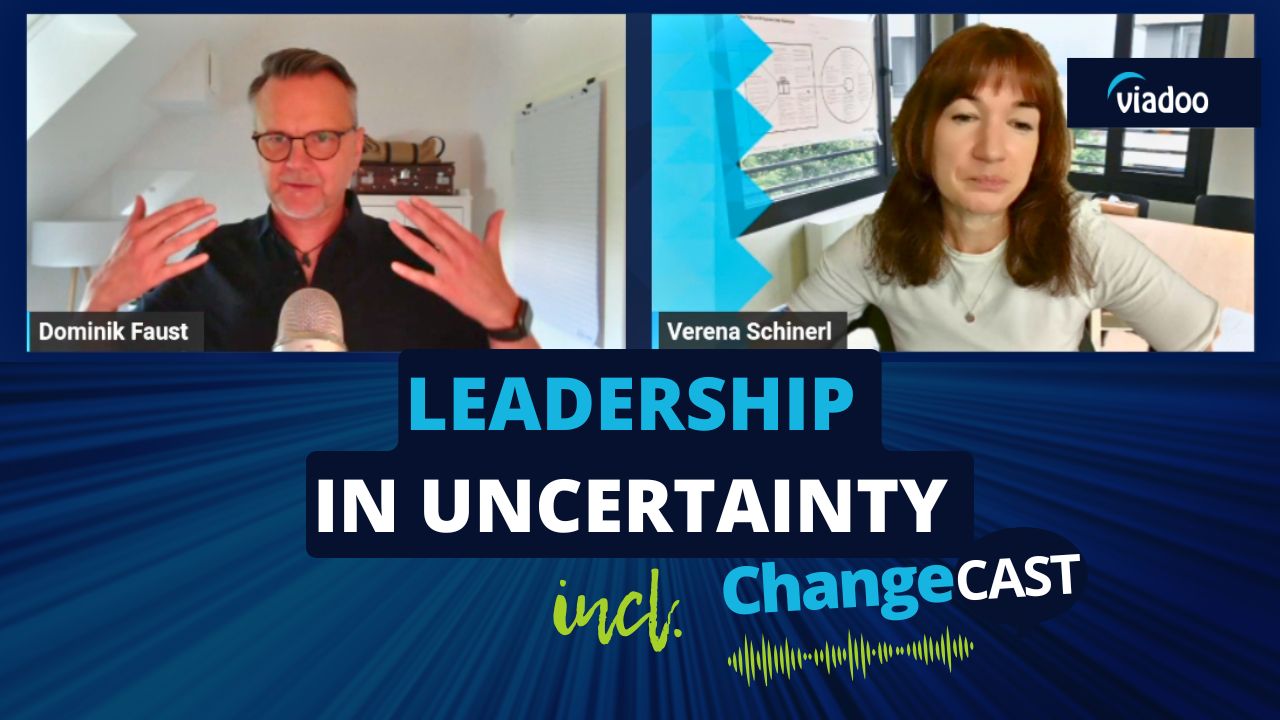
Leadership in uncertainty and in times of poly crisis
The German leadership debate thrives on contrasts. For years, organizations considered the empathetic, approachable, and coaching-oriented leader the ideal. Now the pendulum seems to be swinging back: In the face of economic stagnation, geopolitical uncertainty, technological disruption, and painful restructuring, there is suddenly talk of a “new toughness.” So do Germany’s companies now need tougher…
-

Can German Defense Industry handle Ramp-up?
The debate on Germany’s defense ramp-up often sounds simple. Can industry deliver the required volume, or not? Recent reporting framed the issue as a potential supply gap. One model suggested Germany could face a defense production shortfall by 2035. Closing that gap would require annual growth rates of up to 28 percent. The Federation of…
-

Getting Stalled Projects Back on Track
At first, everything sounds logical: a new ERP system like SAP S/4HANA, AI integration, a new planning model, a digital shop floor or supply chain solution. Everything brings benefits, and potential risks seem manageable. A few months later, however, the “all green, two yellow” reports come to an end. Instead, there are no solid success…
-

Multi-project management as DefTech key competence
The German security and defense industry is experiencing a historic turning point. In many companies, the operational question is no longer “if,” but “how quickly and how reliably” capabilities can be scaled up. At the same time, it is becoming clear that the bottleneck is rarely just manufacturing. It lies in supply chains, governance, decision-making…
-

The Human Side of the “Software-on-Wheels” Revolution
The mood is tense, and expectations are high: when Friedrich Merz invites guests to the automotive summit at the Chancellery this Thursday. Federal ministers, the prime ministers of Bavaria, Baden-Württemberg, and Lower Saxony, OEMs, suppliers (who are facing a tough change process since 2019), and employee representatives will be sitting at the table. In the…
-

Company Growth Without Breakdown
What works in a 10-person startup often fails in a 50-person company. Leadership becomes the art of enabling others to lead, communicate, and stay connected through change. The Growth Model by Larry E. Greiner describes six phases that organizations typically go through. Each separated by a crisis which are make-or-break moments. They require transformation leadership.…
-

Overcoming Change Overload
According to Gartner Research, the average employee is faced with as many as ten enterprise-wide change initiatives per year. They can span from restructuring to achieve efficiencies, from a culture change to new work or a new IT system. Yet, even positive, well-intentioned changes can overwhelm employees when the volume or pace of projects is…
-

Top 3 Change Leadership Trends 2025
At the end of 2023, we had predicted in our Top 5 Change Leadership Trends that in 2024 (1) the polycrisis would continue, (2) mental health would become more important, (3) the need for self-reflection among young leaders would increase, (4) internal communication will be better understood as a success factor for successful change at…
-

Empathy and Gender Mental Health Gap
In our experience, leaders are still primarily selected based on their technical expertise. However, to attract diverse, interdisciplinary and equally skilled teams to change initiatives, social skills are more important. One of the most important skills for effective change leadership is empathy. And it is more than just being nice. It’s about deeply understanding the…
-

Who Moved My Cheese?
In the business world, change is inevitable. Market dynamics shift, consumer preferences evolve, and new technologies disrupt established business models and processes (see Digital Transformation done right). As a leader, the challenge is not just recognising change, but managing it in a way that your team embraces it rather than resists it. A revealing guide…